

Introduction: Small Country, Big Road Trip Potential
Rwanda is compact enough to cross in a day, yet varied enough to fill weeks. Volcano-backed farmland, rainforest, lakeshore towns and open savanna all sit within a few hours of Kigali. That makes Rwanda car hire one of the most efficient ways to see the country, because your vehicle becomes your schedule, your luggage room and your window on the landscape.
This guide takes a decision-first approach. Rather than listing every possible option, it helps you work out which type of hire fits your trip, how to book it sensibly and how to avoid the mistakes that catch out first-time visitors.
Four Ways to Hire a Vehicle in Rwanda
Not every traveler needs the same arrangement. Most providers offer some mix of the following.
- Self-drive hire. You collect the vehicle, sign the agreement and drive yourself. This gives maximum freedom and is a good fit for confident drivers, couples and small groups on flexible itineraries.
- Hire with a driver. A local driver comes with the vehicle, usually charged as a daily package. This suits visitors who want to relax, take photos and avoid navigating unfamiliar mountain roads.
- Airport transfers. If you only need to get between Kigali International Airport, your hotel and perhaps one or two attractions, a one-off transfer is cheaper and simpler than hiring for several days.
- Mixed or split hire. Many travelers hire a driver for park days, then switch to a smaller self-drive car for time in Kigali or around Lake Kivu. Some providers allow this within a single booking.
A useful rule of thumb: the more remote or time-pressured your itinerary, the stronger the case for a driver. The more flexible and road-focused your trip, the better self-drive works.
Match the Vehicle to Your Itinerary
Instead of starting from the vehicle, start from your route.
Kigali-only or short city stay. An economy or compact car handles city streets and paved roads comfortably.
Gorilla trekking in Musanze. The main road from Kigali is largely paved, but access roads near trailheads and lodges can be steep, rough and slippery after rain. A compact SUV works in dry weather, while a mid-size 4×4 is the safer choice.
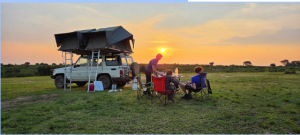
Akagera National Park. The approach is straightforward, yet game-drive tracks are unpaved and uneven. A high-clearance 4×4 is strongly recommended, ideally with a pop-up roof for wildlife viewing.
Lake Kivu and the western corridor. The road is winding and scenic, with sustained climbs and descents. Choose a vehicle with confident brakes and good tyres rather than simply the biggest option.
Nyungwe Forest. Expect mist, rain and tight bends. A sturdy 4×4 and an early start make the journey far more comfortable.
Large groups or families. A minibus or Coaster suits paved routes, while two smaller 4x4s may work better if you plan to visit parks.
Sample Itineraries and What They Mean for Hire
Three days: Kigali and gorillas. Collect a vehicle in Kigali, drive to Musanze, trek and return. A mid-size 4×4 with a driver keeps this simple, particularly if you have an early trek briefing.
Seven days: Gorillas, lake and savanna. Kigali, Musanze, Lake Kivu, then back through Kigali to Akagera. This mix of mountains and park tracks favors a mid-size or full-size 4×4, either self-drive or with a driver.
Ten days or more: The full Rwandan circuit. Add Nyungwe and extra lakeside nights. At this length, check mileage terms carefully, confirm service and breakdown support, and consider splitting hire between a driver for rough sections and a self-drive car for easier stretches.
Whatever you plan, give yourself more time than distance suggests. Hills, villages, speed limits and photo stops all stretch journey times.
How to Book Rwanda Car Hire Step by Step
- Fix your dates and route. Providers can only quote accurately once they know where you are going and for how long.
- Decide on self-drive or driver. This changes the price, the paperwork and the vehicle you need.
- Request written quotes from several companies. Ask each to list the daily rate, taxes, mileage, insurance, driver costs, deposit and extras so you can compare like with like.
- Clarify insurance and excess. Know what is covered and how much you pay if something goes wrong.
- Confirm pick-up and drop-off. Check whether the provider meets you at the airport or your hotel, and whether late-night arrivals are handled.
- Pay deposits through traceable methods and keep every confirmation message.
- Inspect the vehicle at handover. Photograph existing marks, check the spare tyre, jack and tools, and test lights and wipers.
Red Flags to Watch For
- Quotes that are unusually low with no breakdown of what is included.
- Vague answers about insurance or mileage.
- No written agreement or no clear breakdown contact number.
- Vehicles with worn tyres or an unwillingness to share recent photos.
- Pressure to pay large sums in cash with no receipt.
- Promises about border crossings with nothing in writing.
A good provider answers questions plainly, puts terms in writing and is comfortable with you inspecting the vehicle.
Costs: What Shapes the Price
Rates vary with vehicle class, season, hire length, whether a driver is included and how early you book. A safari 4×4 will cost more than a compact car, and chauffeured hire will cost more than self-drive. The drier months are the busiest and often the most expensive.
Look beyond the daily rate. Typical extras include fuel, insurance upgrades, driver accommodation and meals, parking, park vehicle fees and a refundable security deposit. A slightly higher quote that includes insurance, sensible mileage and dependable breakdown support is often better value than a cheap price full of add-ons.
Driving in Rwanda: What to Expect
Rwanda drives on the right, and conditions are generally orderly compared with many regional neighbors. Main roads are well surfaced, signage is clear and enforcement is visible, including speed cameras and police checks. Seat belts are mandatory.
Still, a few local realities are worth knowing:
- Hills and bends demand lower gears on descents and steady driving on climbs.
- Moto-taxis are everywhere in towns and stop or turn quickly, so keep your distance.
- Pedestrians, cyclists and livestock share rural roads, especially near villages.
- Night driving is best avoided, because visibility drops fast and unlit hazards appear.
- Rain can turn dirt roads slippery within minutes.
- Single-use plastic bags are restricted, so leave them at home.
Fill your tank before leaving larger towns, download offline maps and keep your provider’s number saved.
Documents to Prepare
Requirements can change, so confirm the latest details with your provider and the relevant authorities before departure. Plan to carry your passport and visa or entry authorization, your valid home driving licence, an International Driving Permit if advised, a payment card for the deposit and the rental agreement with proof of insurance.
Best Time for Rwanda Car Hire
Rwanda has two rainy seasons and two drier ones. The long rains generally run from around March to May, with shorter rains in roughly October and November. The drier stretches, roughly June to September and December to February, offer easier road conditions and excellent wildlife viewing. Rwanda car hire works year-round, but in the wet months a 4×4 and a relaxed schedule make a real difference.
Common Mistakes to Avoid
- Hiring the cheapest car for a park-heavy itinerary.
- Underestimating travel times on hilly roads.
- Skipping the vehicle inspection at handover.
- Assuming cross-border travel is allowed.
- Leaving booking too late in peak season.
- Ignoring mileage limits on long routes.
Conclusion
Rwanda car hire rewards travelers who plan around their route rather than around a price tag. Start by choosing the hire style that fits your confidence, whether self-drive, driver-led or a mix of both. Match the vehicle to the terrain, especially if parks and trailheads are on your list. Compare written, all-inclusive quotes, inspect the vehicle carefully and keep your schedule realistic.
With good roads, short distances and clear rules, Rwanda is one of the most approachable countries in Africa for a road trip. A little preparation turns your rental into a flexible, comfortable base for exploring the Land of a Thousand Hills.
Key Takeaways
- Choose between self-drive, driver-led, airport transfer or mixed hire based on your itinerary and confidence.
- Plan around your route first, then pick the vehicle.
- A 4×4 is recommended for Akagera, trailheads, rural lodges and wet-season travel.
- Compare written, all-inclusive quotes covering insurance, mileage, fuel and breakdown support.
- Inspect the vehicle thoroughly at handover and photograph existing marks.
- Rwanda drives on the right, with strong enforcement and orderly roads.
- Avoid night driving and allow extra time for hills and villages.
- Never assume cross-border travel is permitted without written approval.
Frequently Asked Questions (FAQ)
What is the best way to arrange Rwanda car hire?
Request written quotes from several reputable providers, compare what each includes and confirm insurance, mileage and breakdown support before paying a deposit.
Is Rwanda car hire safe for first-time visitors?
Yes, Rwanda is generally considered one of Africa’s more orderly countries for driving. Take normal precautions around hills, motorbikes and pedestrians, and avoid driving at night.
Should I choose self-drive or a driver?
Self-drive suits confident drivers who want flexibility. A driver is more relaxed and helpful on winding mountain roads and park days.
Do I need a 4×4 in Rwanda?
Not for Kigali or the main paved highways. For Akagera, rural lodges, gorilla trekking areas and rainy-season travel, a 4×4 is safer and more comfortable.
Which documents are required?
Usually a passport, valid driving licence, payment card for the deposit and, where advised, an International Driving Permit. Always confirm current requirements.
Can I collect a car at Kigali International Airport?
Many providers offer airport pick-up or delivery. Confirm the arrangement, timing and any fees in advance.
How much does Rwanda car hire cost?
It depends on the vehicle, season, hire length and whether a driver is included. Ask for an all-inclusive written quote to compare offers fairly.
Can I drive a hired car into Uganda or other countries?
Only if the provider explicitly allows it and supplies the paperwork and insurance. Neighboring Uganda also drives on the left, so plan for the switch.
When should I book?
For peak seasons, book several weeks to a few months ahead, particularly for popular 4×4 models.
What should I check when collecting the vehicle?
Inspect the bodywork, tyres, spare wheel, jack, lights and wipers, photograph any damage and confirm the breakdown contact number.